Traces of Civilization: Corrosion as Memory

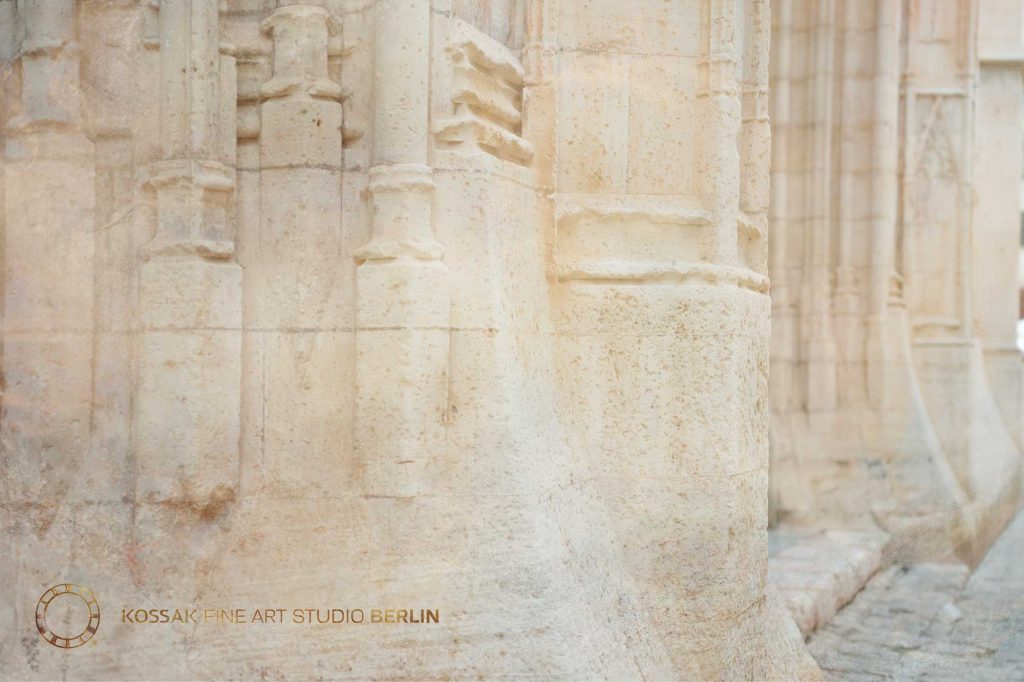
Situated at the threshold between architecture, painting, and photography, this project takes the Llotja de Palma as both its physical subject and conceptual point of departure. Once conceived as a monument to commerce, exchange, and civic ambition, the former mercantile hall now reveals another history: the slow inscription of time upon stone. Its sandstone façade, gradually transformed by salt, humidity, pollution, and erosion, becomes a living archive in which the ambitions of human civilization are continuously negotiated by natural forces.

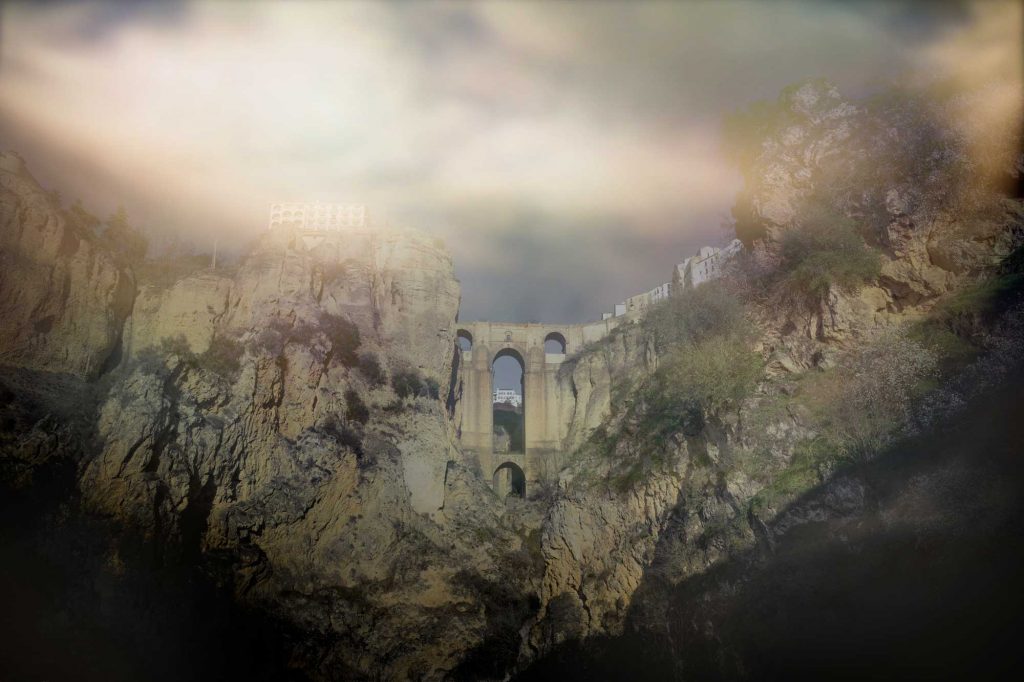
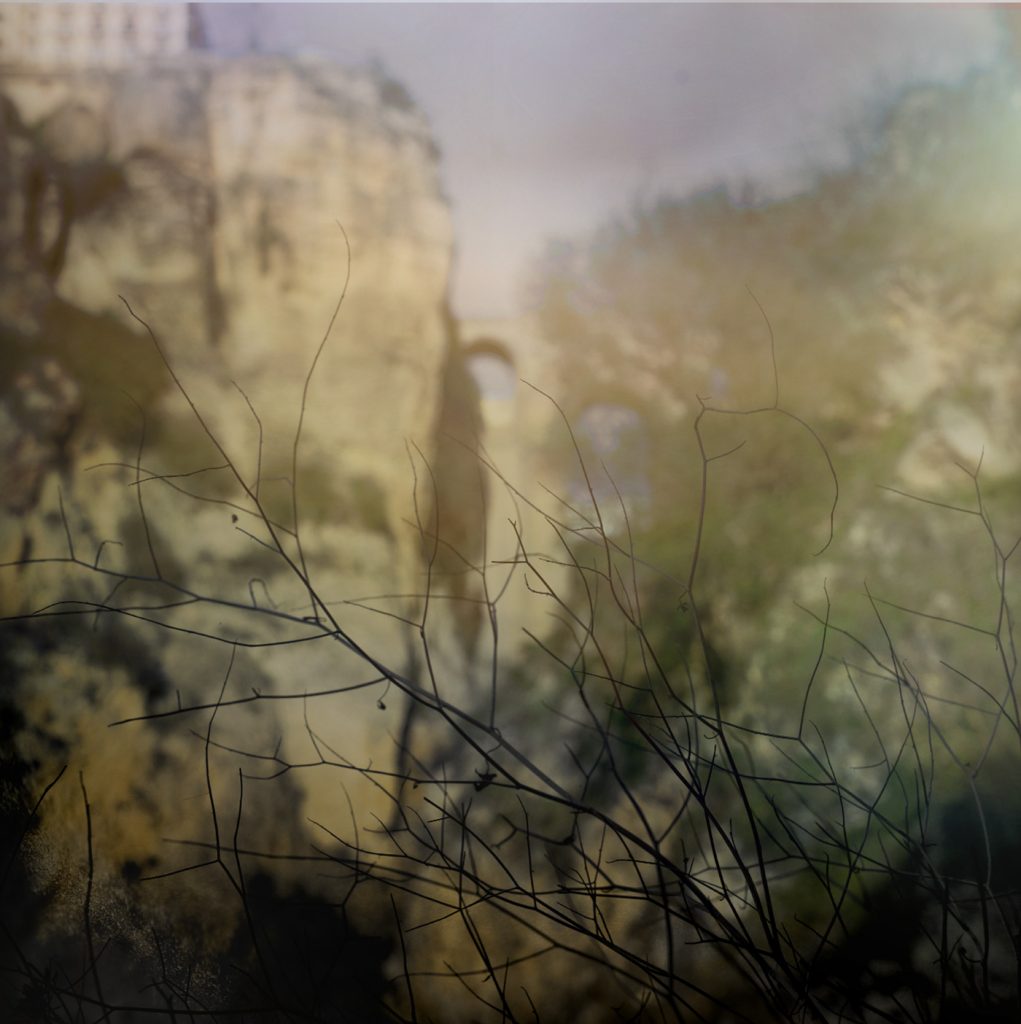
My artistic practice approaches this process through a dialogue between photographic documentation and painterly intervention. Photography records the material evidence of decay with forensic precision, while painting reactivates these surfaces through layers of gold and silver pigments. Rather than concealing corrosion, these precious metallic interventions amplify it, allowing deterioration itself to emerge as an aesthetic and political language.

The project proposes a temporal collaboration across centuries. The creative gesture of the contemporary painter enters into conversation with the anonymous architects, masons, and craftsmen who originally conceived the building. Their architectural vision is neither restored nor romanticized; instead, it is reinterpreted through a contemporary visual vocabulary that acknowledges impermanence as an essential condition of cultural production. Gold and silver—historically associated with power, wealth, and sacred representation—are deliberately employed to illuminate the fragile surfaces where these narratives begin to dissolve.

Beyond its engagement with architectural heritage, the work reflects upon the vulnerability of contemporary civilization itself. The weathering of the Llotja’s façade becomes a metaphor for broader political realities: ecological crisis, the exhaustion of extractive economies, the erosion of democratic institutions, and the gradual disintegration of collective memory. Corrosion is understood not merely as physical decay but as a visible manifestation of historical, social, and environmental processes that challenge the illusion of permanence upon which civilizations often construct their identities.

By merging photographic observation with painterly transformation, the project resists the conventional distinction between documentation and interpretation. The resulting works occupy an intermediate space in which image, surface, and material become sites of negotiation between preservation and disappearance, monumentality and fragility, history and the present.

Ultimately, this body of work asks how cultural monuments continue to speak in an age increasingly defined by instability. Rather than presenting architecture as an immutable symbol of historical achievement, it understands the built environment as an evolving organism whose deterioration reveals the limits of human control while simultaneously generating new forms of beauty, meaning, and political reflection. In this sense, corrosion is not the end of architecture but the beginning of another narrative—one in which artistic practice becomes an act of witnessing, translation, and renewed cultural imagination.